TL;DR: Strong brands require 15 essential elements across three categories: strategic foundations (positioning, promise, values), visual identity (logo, colors, typeface, imagery, packaging), and linguistic components (brand name, voice, taglines). Success comes from developing these elements cohesively, starting with strategic foundations first, then building visual and linguistic assets that consistently reinforce your brand's personality and values across all customer touchpoints.
Great brands are easily recognizable: by their name, their logo, even just their color.
A memorable brand uses many branding elements in tandem. But when anything can be part of your brand, it can be hard to know where to start.
We're here to help. This guide covers the 15 essential branding elements every startup needs — from the strategic foundations that guide your decisions to the visual and linguistic assets that bring your brand to life. Focus on these first, and you'll be off on the right foot.
What are brand elements?
Brand elements are the components that make up your brand identity. They include tangible aspects like your logo, brand name, and colors, plus intangible elements like your brand voice and personality.
The most common elements of a brand fall into the following categories:
- Brand voice (how you talk to your customers)
- Brand story or narrative (how your brand talks about itself)
- Brand identity (“who” your brand is, visual look and feel)
- Brand promise (what your brand offers to your customers)
- Brand values (what your brand cares about and supports)
- Brand positioning (how your brand is different from other brands)
The importance of a strong brand
Brand elements aren't inherently good or bad — they create positive or negative associations based on your context, audience, and execution.
A strong brand identity reinforces the positive perception you want your target audience to hold and helps you:
- Set clear expectations: Consistent branding helps customers know what to expect from your startup
- Stand out from competitors: Distinctive brand elements make you memorable in crowded markets
- Build audience loyalty: Strong brands create emotional connections that drive customer loyalty
- Generate organic growth: Memorable brands earn word-of-mouth referrals
Strong brands let customers signal their values to others. Someone wearing Prada and carrying Louis Vuitton sends a different message than someone in a Harley-Davidson jacket — both brands help express identity and belonging.
When building a strong brand, start with strategy. Define your brand identity, personality, and values first to ensure all elements tell a cohesive story that resonates with your audience.
Brand strategy and foundational elements
A strong brand is built on a clear foundation — the "why" behind your brand — that guides every decision. Key strategic elements include:
- Brand positioning: This is how you set yourself apart from the competition. It answers the question: In a crowded market, why should a customer choose you? Your positioning defines your unique place in the customer's mind.
- Brand promise: This is the specific value you pledge to deliver to your customers every time they interact with your brand. It sets expectations and builds trust. For example, Amazon built its reputation on convenient delivery options, including features like Prime two-day shipping and easy returns.
- Brand values and mission: This is what your brand stands for beyond just making a profit. Your mission is your purpose, and your values are the principles that guide your actions. This is crucial for connecting with an audience that shares your beliefs.
Visual brand identity elements
Some of the most common — and essential — elements of branding deal with how a brand is experienced visually. A brand’s visual language defines how your brand looks and play a large role in shaping brand perception and personality.
Color palette
Your brand colors go way beyond basics like “blue” or “orange." Your color palette should include specific hex codes to ensure brand consistency.
For some brands, color is so important that they’ve even trademarked their color. For example, “Tiffany blue” or “Reese’s orange” are both trademarked as such an essential element of their brand identities.
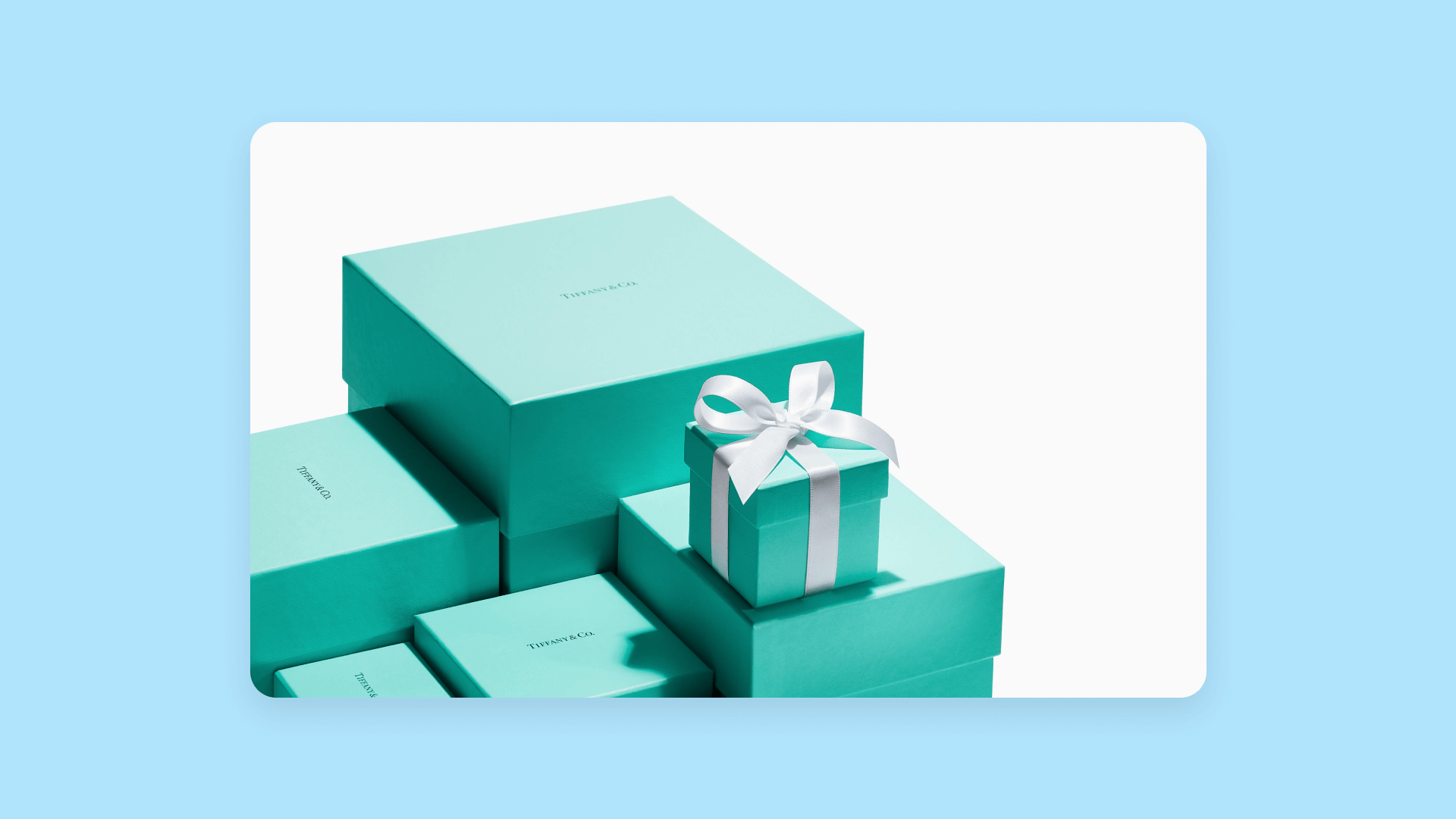
Your color palette should reflect your brand’s personality and values. For example, a playful, youthful brand will have brighter colors, while a more established, luxury-focused brand will likely have more muted, “regal” colors.
Logo
The logo is often the most recognizable brand element — one that every brand needs and often the most recognizable.
Have you ever played the “Logo Game?” Brand logos are shown without the corresponding brand name, and players try to match brands to logos. Many successful brands have instantly recognizable logos which makes the game possible — for example, the Nike swoosh, the McDonald’s “M,” and the Apple apple.
A great logo is simple, recognizable, unique, and says something about your brand. In many cases, your logo might be accompanied by your brand name or tagline, which we’ll discuss in a bit.
Typeface
Your typeface is the lettering you'll use across all branded materials and communication — from your logo and product labels to your website.
Keep in mind the difference between a typeface and a font. Typeface is the particular style of lettering (for example, Helvetica or Georgia), while a font is the particular variation of that typeface, such as size, weight, and style (such as Helvetica Bold 12).
You might use different fonts within the same typeface, or different typefaces for various materials. Either way, ensure they're aligned and recognizable as part of your brand.
For example, Spotify uses Spotify Mix, a custom variable typeface launched in 2024 and developed with Dinamo Typefaces, with plenty of room for variation to reinforce its brand values.
Illustrations and imagery
Does your brand solely rely on illustrations for its design, or do you also use real images? If you use real images, do you lean toward highly stylized images or more casual images, such as user-generated content (UGC)? If you use illustrations, are they more abstract or hyper-realistic? More or less detailed? These all make up the style of your imagery.
The actual elements relate to the content of your imagery. For example, your illustrations or images may have a specific visual character that’s part of your brand (remember Clippy?). Or you may have other specific images, illustrations, or image-based designs that are repeated and add to your brand.
Product packaging and presentation
If you have a physical product, your packaging and presentation are crucial brand elements.
Product packaging includes product labels, containers, sizes, colors, wrapping, and shipping materials. Think holiday Starbucks cups, Coca Cola’s glass bottle shape, Apple’s white minimalist product packaging, and so on. Even utilitarian products like shampoo bottles and tomato sauces can have branded packaging that sets them apart from other similar products.
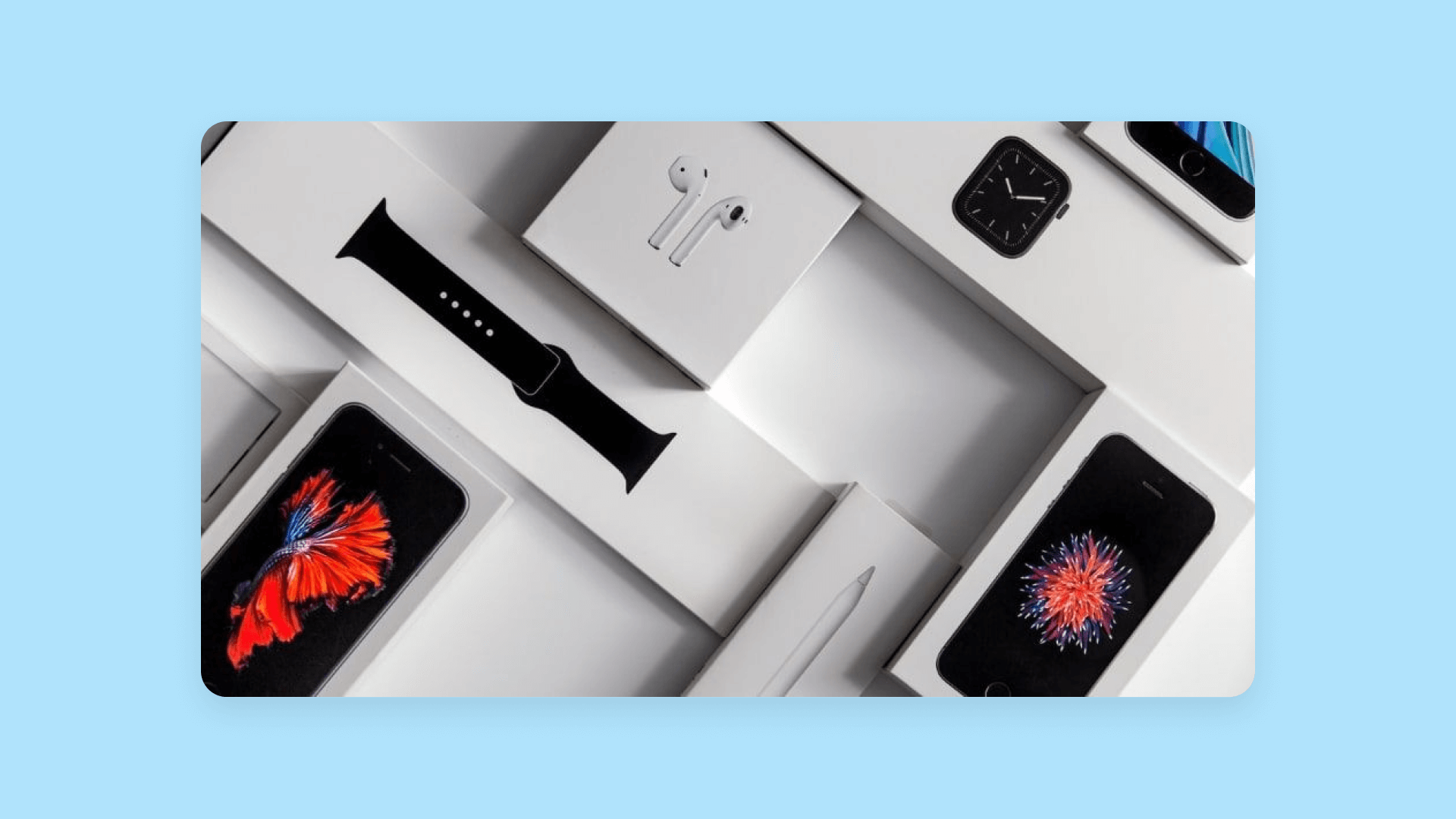
But product “packaging” also matters for digital companies and brands.
For example, an online marketplace needs to think about packaging in terms of your product pages on your website and how products are presented digitally. Consider how product pages are designed and what elements are included — for example, compare Hubspot products versus Etsy products.
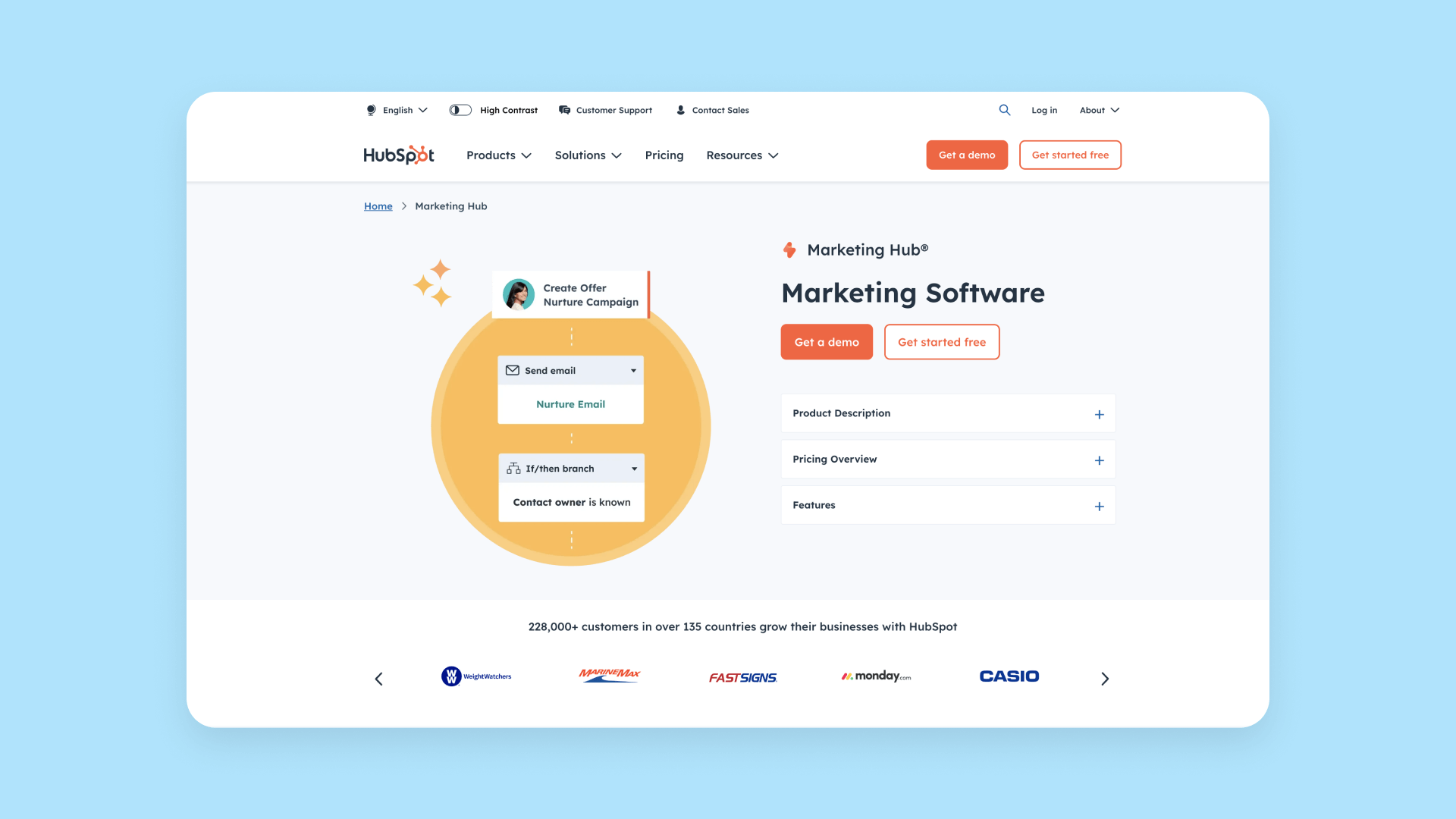
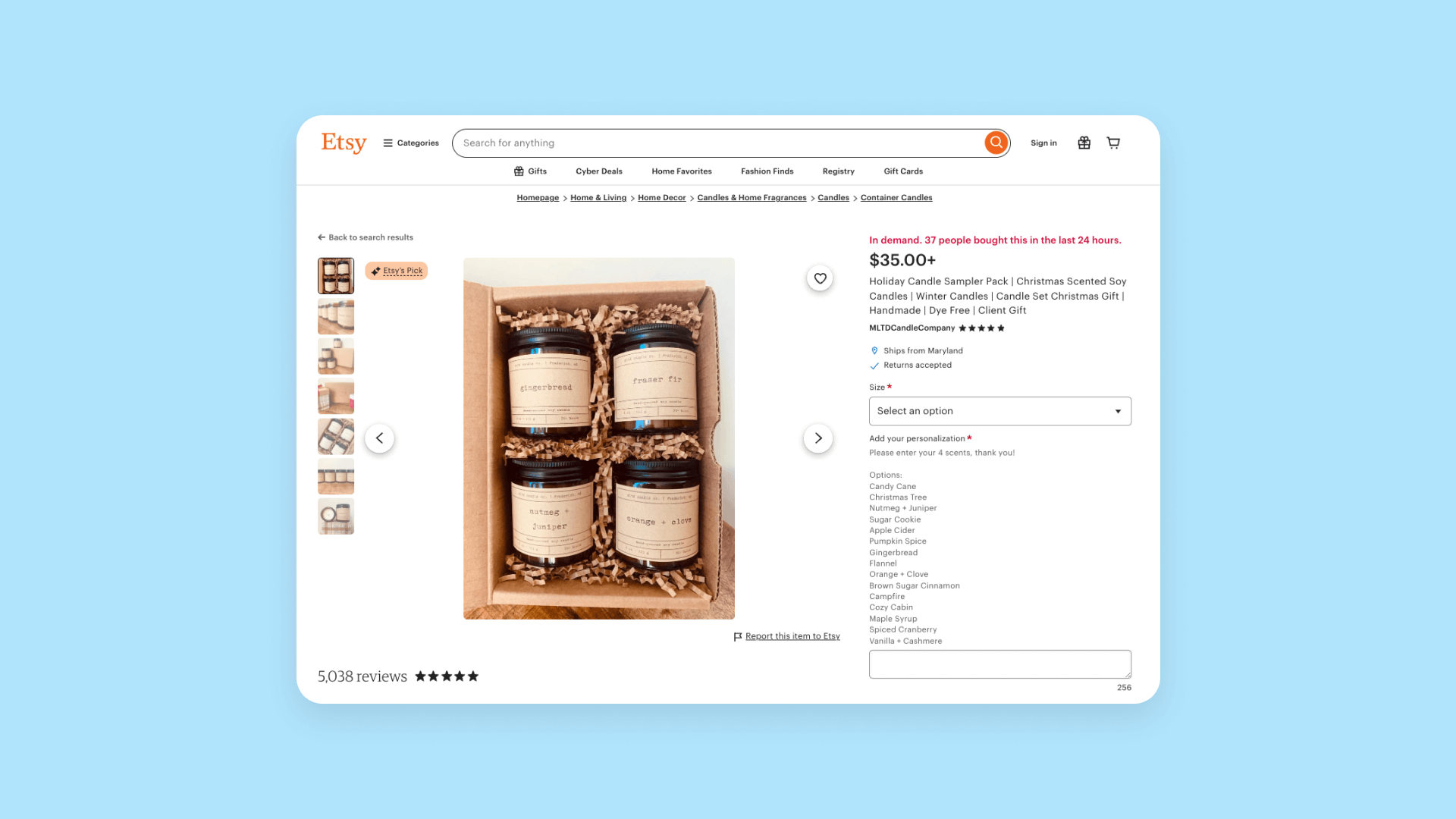
From the page design to the elements included, layout, and sizing: Everything adds up to clarify the brand and position the products.
Linguistic brand elements
While we often think of brands in visual terms, linguistic elements are just as important. Some crucial elements in this category include:
Brand name
A good brand name provides a container for your brand personality, company values, and possibly, what you do. For example, consider the difference between:
- Charles Schwab (banking and investments, legacy brand) vs. Robinhood (banking and investments via a digital app aimed at “non-investors”)
- Banana Boat (kid-friendly sunscreen and skin products) vs. Chanel (high-end perfumes and beauty products)
- Whole Foods (high-end groceries focused on wellness) vs. Trader Joe’s (value groceries with quirky, fun branding)
Your brand name doesn’t necessarily need to describe what you do or offer, as “Whole Foods” or “Dunkin’ Donuts” does. Instead, it could hint at another aspect of your brand goals or values.
For example, Bubble founders Emmanuel and Josh chose the name “Bubble” as a wink to the concept of the “tech bubble” — one that they hoped to someday burst by creating a platform that allowed even non-technical founders to build their own websites, web apps, and mobile apps completely without coding.
Product and feature names
Creating branded names for the products and services you offer helps distinguish them from competitors and reinforces your branding and personality.
For example, a McDonald’s hamburger isn’t just a burger — it’s a Big Mac. How does a “Big Mac” feel different from a Double Whopper (Burger King) or an All-American Smashburger (Smashburgers)?
Similarly, product names or brand names can eventually define a whole category — the ultimate branding win. For example, we may call tissues “Kleenex” (the brand name) or ask for a “Band-Aid” (a branded product name). Another example: “Just Google it!,” where the brand name becomes a verb for their product’s function (looking something up online).
You can also use branded terms to differentiate features of your product. Starbucks accomplished this by using branded terms for drink sizes. Instead of the standard “small, medium, and large,” Starbucks went with “”Tall,” “Grande,” and “Venti.” These branded terms differentiate their products — and their customers — from non-Starbucks drinkers.
Taglines, slogans, brand promises
A good tagline or slogan provides a concise, memorable way to communicate your brand’s values or promises. For example:
- Nike’s “Just Do It” for an athlete-focused, high-energy brand.
- “Like a good neighbor, State Farm is there,” emphasizes their brand promise.
- “You’re not you when you’re hungry. Have a Snickers,” reinforces what they offer.
Even more memorable than the tagline or slogan is an ad jingle. While not as popular for brands now in a very digital world, the ad jingle — when done well — can provide very memorable branding for your brand. Consider McDonald’s “Buh-duh-duh-duh-duh... I’m loving it,” KitKat’s “Give me a break, give me a break...,” or Kay Jeweler’s “Every kiss begins with Kay.”
These jingles get stuck in our heads and keep brands top of mind.
Brand voice
Less easy to define is your brand voice. Brand voice is how your brand communicates — both about itself and to your customers. It’s more art than science, but when done well, it adds another layer of recognizability and personality.
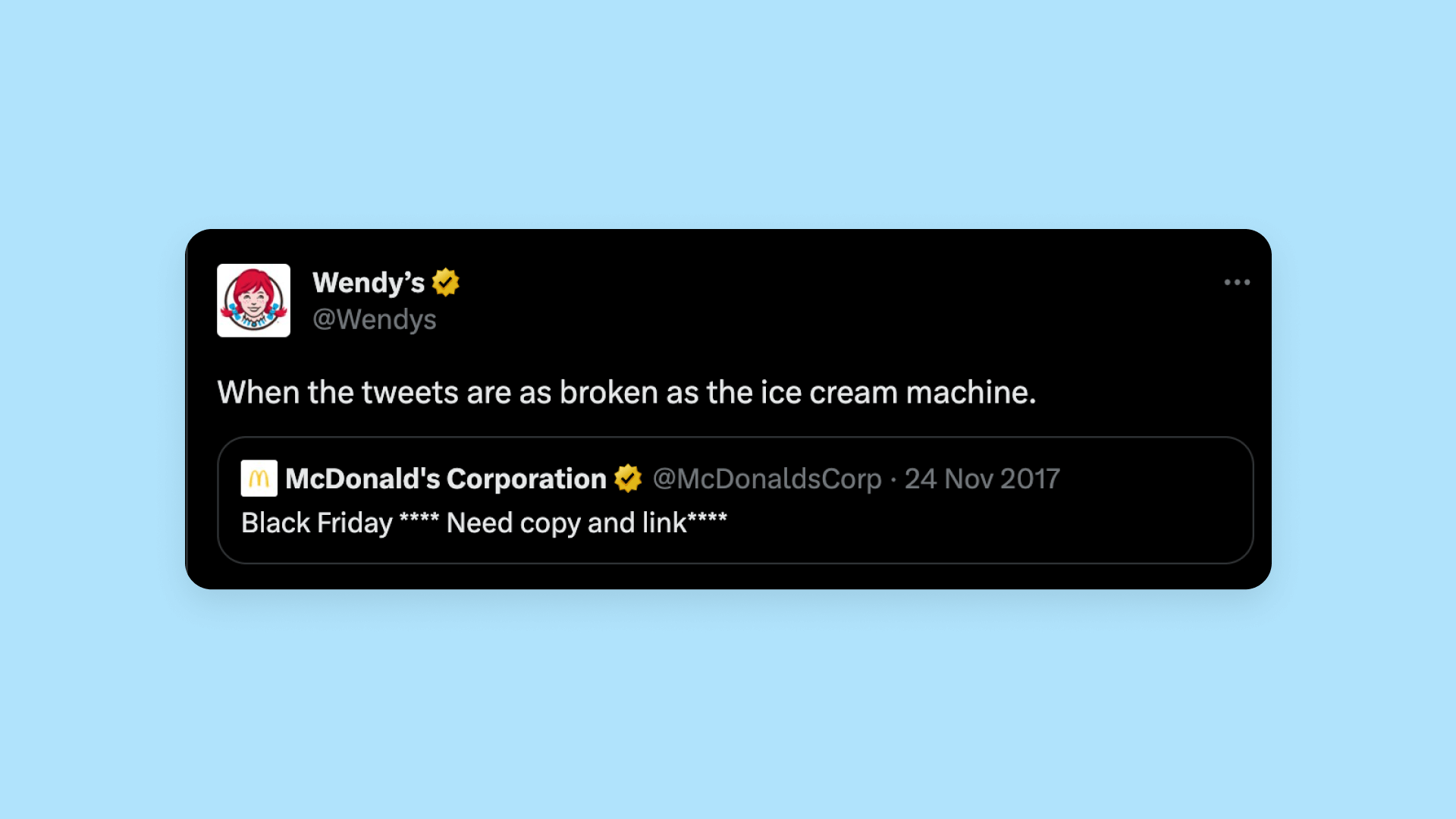
Consider Wendy’s or Duolingo’s brands, especially online and on social media. These brands are irreverent, quirky, witty, daring, and bold — poking fun at customers and competitors.
On the other end of the spectrum might be a brand like Reuters or Patagonia. These brands are much more polished, focused on facts, storytelling, and presenting themselves as trustworthy, committed, and responsible.
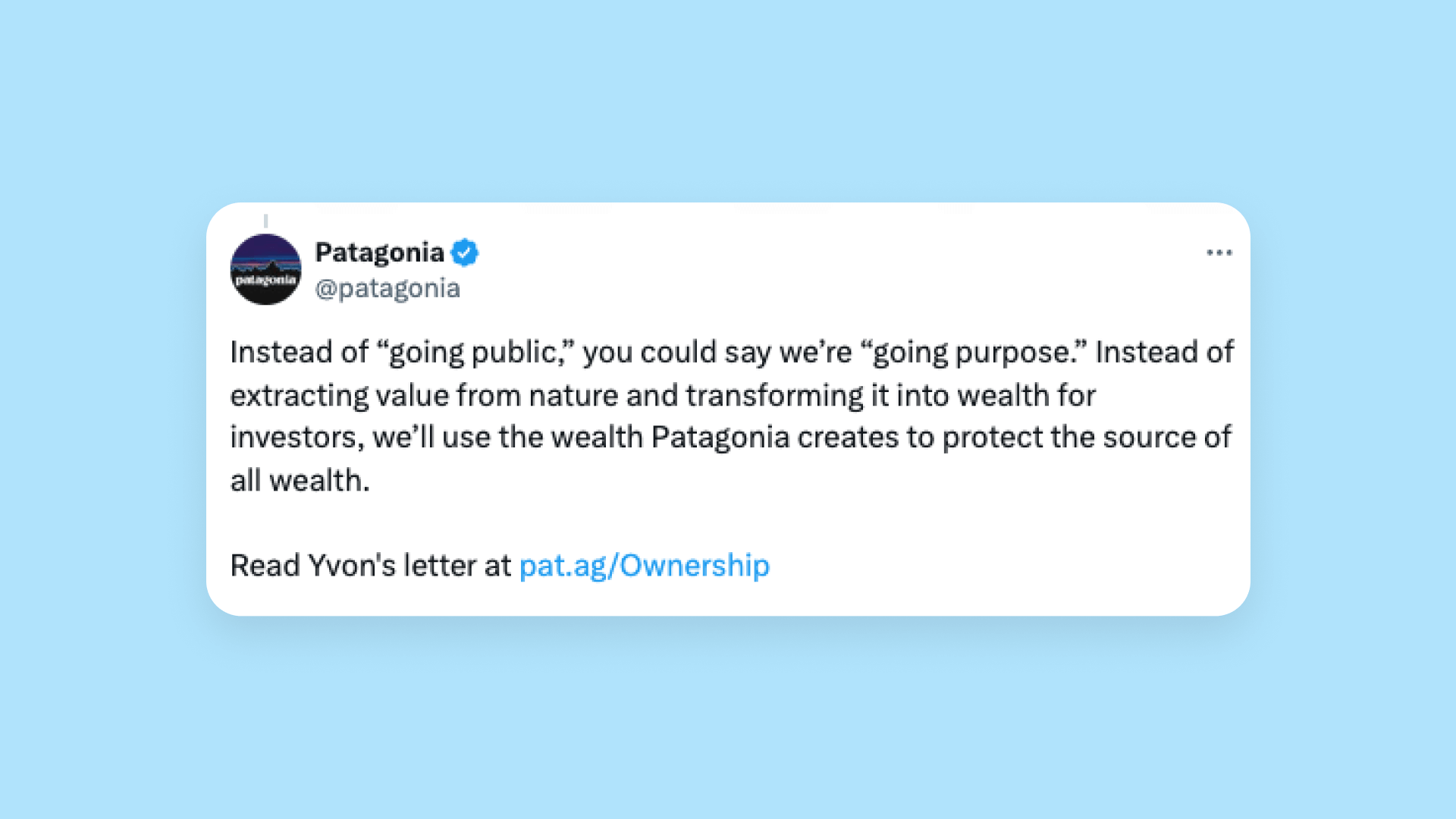
In short: The way you say things is just as important as what you say.
Additional brand elements
Aside from the absolute basics (i.e., a brand name, logo, colors, and typeface), your brand elements will depend on factors like:
- Your product
- Your target audience
- Your biggest marketing channels
- Your brand personality
- Your mission and values
- Your differentiators
Almost anything can become a part of your brand, when done well. Any type of experience, emotion, or recognizable element can be "branded."
To demonstrate this, let's take a look at some non-traditional brand elements that can be strong differentiators for the right brands.
Smell
How can a smell be branded? Consider:
- The smell of Cinnabon when you’re walking through the mall
- The smell of Auntie Anne’s pretzels when you’re at the airport
- The particular perfume of the Abercrombie and Fitch stores or the force-field of scents exuding from any Bath & Body Works
Smell is one of the strongest triggers of memory, so associating a scent with your brand can effectively distinguish your product or store from competitors.
Physical environments
The literal, physical environment of a store can also be branded. For example:
- The traditional “Golden Arches” outside many McDonalds
- The drive-through “Donut Hole” donut shop
- Disneyland theme parks, which are carefully and consistently designed even to the smallest detail to immerse visitors in the Disney world
These physical environments immerse visitors in the brand experience and create visual cues that become instantly recognizable.
Digital experiences
If you don’t have physical locations, digital experiences can also be a strong way to differentiate your brand. For example:
- Domino’s Pizza Tracker, which gamifies the waiting experience by letting you “track” your pizza.
- Sephora’s Virtual Artist, which uses AR (augmented reality) technology to let you “try on” makeup and test out products virtually.
- IKEA Place, an AR app that lets you virtually place IKEA furniture in your actual space to help you visualize how different pieces look and fit in your room.
Many kids’ toys and brands nail this element with digital games or “worlds” for kids to explore — such as LEGO's digital apps and games, Disney Games online, or websites like Webkinz, that allow kids to integrate their physical toys into a digital space.
People
People or mascots can also serve as a core element of your brand.
This can include real individuals, like Chip and Joanna Gaines; branded groups, like Best Buy’s Geek Squad; or mascots and characters like Flo from Progressive or the Geico Gecko.
These can range from people who are the brand, to people who promote the brand (i.e., a celebrity’s makeup or clothing line) to a character that’s mostly used to make the brand memorable and personable in ads and marketing (i.e., the Geico Gecko).
While not right for every brand, a character, person, or mascot can effectively embody your brand personality and connect with your audience.
Customer service
Customer service can be a powerful brand element when you have outstanding service with specific features that distinguish you from competitors.
For example:
- Zappos built its reputation on exceptional customer service, including free shipping both ways and a 365-day return policy that removes all purchase risk.
- REI offers a 365-day return policy for co-op members, which is much longer than the standard 30- or 60-day return window.
- A local coffee shop barista might remember your name and your order, compared to a chain like Dunkin’ or Starbucks.
Customer service can both distinguish your brand and drive brand loyalty and adoption. In 2023, customer surveys found that good customer service was the second-highest predictor of brand loyalty, with 47% of consumers saying that customer service is the most important element for brand loyalty for them.
Mission and values
For some brands, mission and values serve as a leading differentiator that resonates with audiences. For example:
- TOMS or Bombas with the one-for-one giving model.
- Patagonia’s “Action Works” and commitment to sustainability, giving back, and donating to green initiatives.
If you’re a mission-focused brand, putting those values at the front and center of your brand’s messaging and products can distinguish you from others that make similar products or offers but don’t “give back” in the same way.
Memorable brand elements examples
Whichever brand elements you use, the strongest brands work these elements together cohesively. Looking at some examples of strong branding can give you a clearer idea of how all these elements work together to create a memorable brand identity.
Oatly
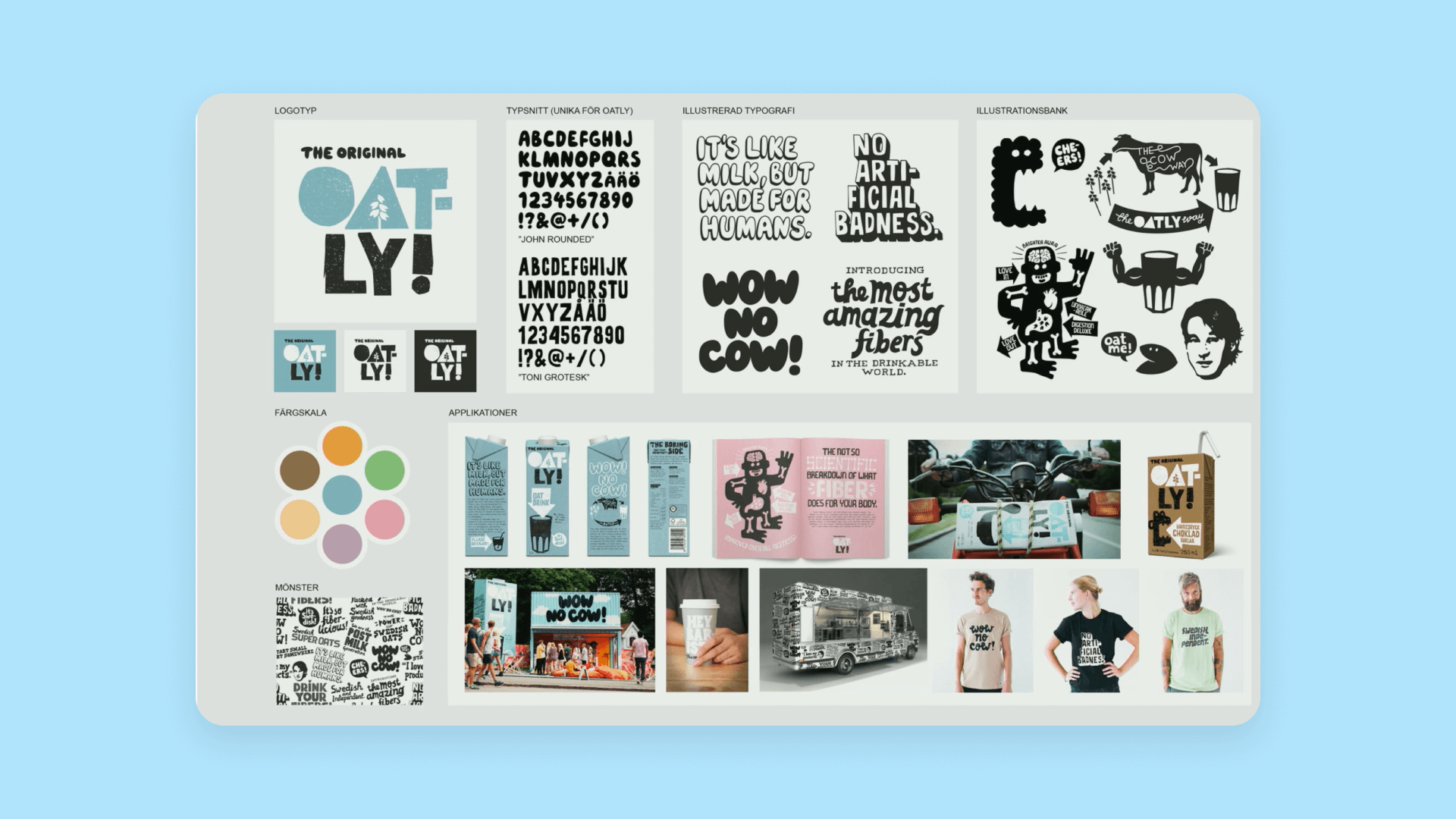
Oatly is an oat milk brand that targets millennials and other younger audiences with their playful, youthful brand. One of the big elements of their brand is as a disruptive brand — they’re disrupting the dairy industry, after all, by creating a non-dairy milk that’s tasty and high-end.
Consider how their branding creates a playful, disruptive brand personality:
- Typeface: The Oatly typefaces and fonts are bubbly and bold — reinforcing their playful personality.
- Color palette: Light, pastel colors with a vibrant, colorful theme continue to enforce the fun personality. Most of the colors match the blue color of their packaging, creating a visual tie between their branding and their product.
- Brand voice: Their fun, irreverent, and edgy copy pokes fun at themselves and their competitors.
- Illustrations and imagery: Instead of using realistic images, they use cartoonish illustrations that reinforce their disruptive brand.
Airbnb
Airbnb wasn’t the first home-sharing and vacation rental brand — but it’s certainly become the most well-known.
That’s the power of good branding.
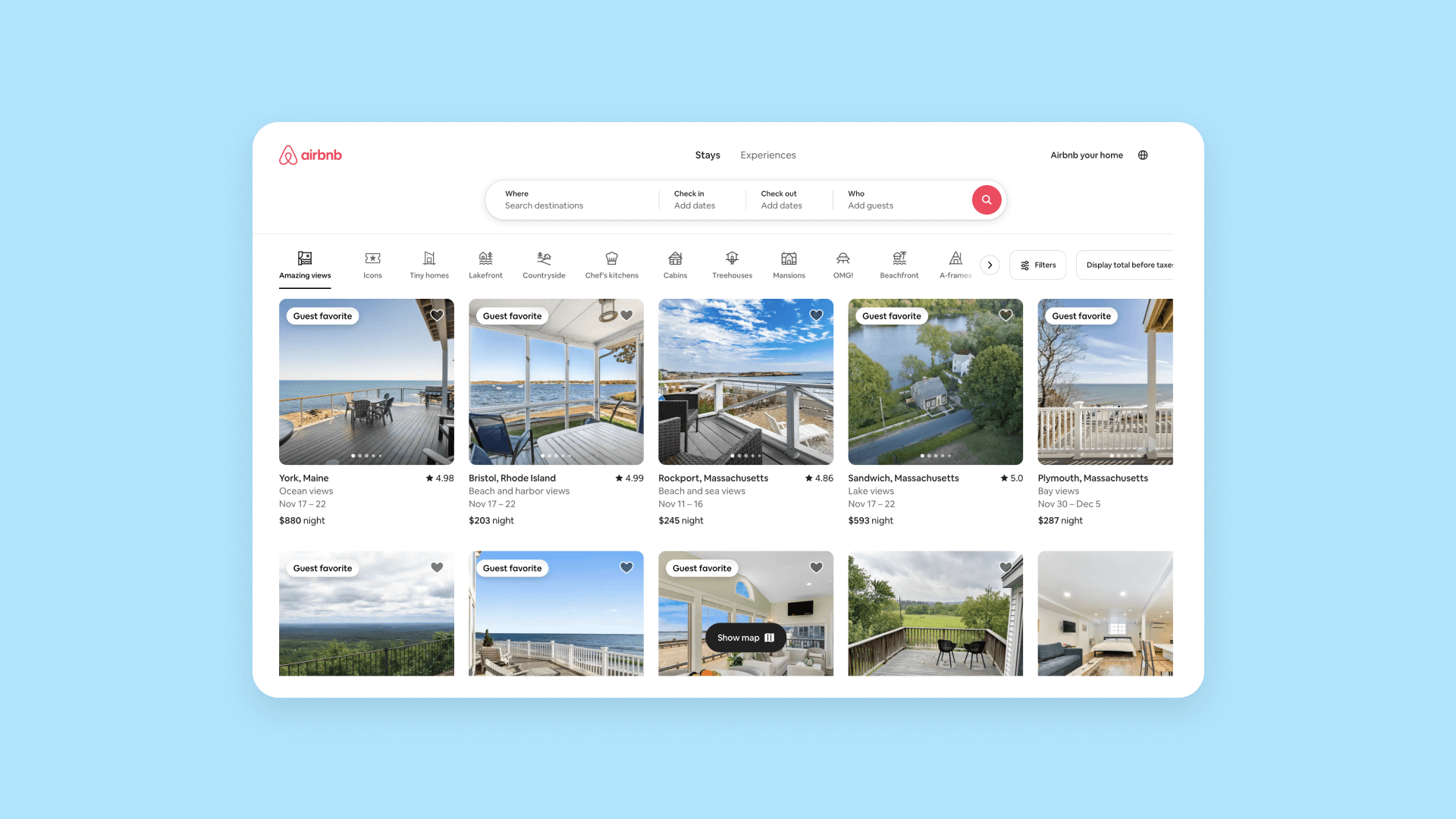
Airbnb's branding has evolved significantly, but they've continued to reinforce their core value of "belonging anywhere." How?
- Product and feature names: “Stays,” “homes,” and “hosts” subtly reinforce the idea that when you stay at an Airbnb, you’re not at a hotel or an inn — you’re “home.”
- Images and illustrations: They rely heavily on images from their Airbnbs that show the experience of their stays. Real-life images highlight their “product” while also reinforcing how they want to be perceived.
- Color palette: Their standard pink color, alongside a warm color palette, reinforces their friendly, warm, empathetic brand personality. By contrast, their “Luxe” properties are branded with regal colors like rich purple.
Bubble
We can’t close a discussion of branding without discussing our own brand! It’s easy to see how branding impacts major consumer brands like Oatly, Nike, or Apple.
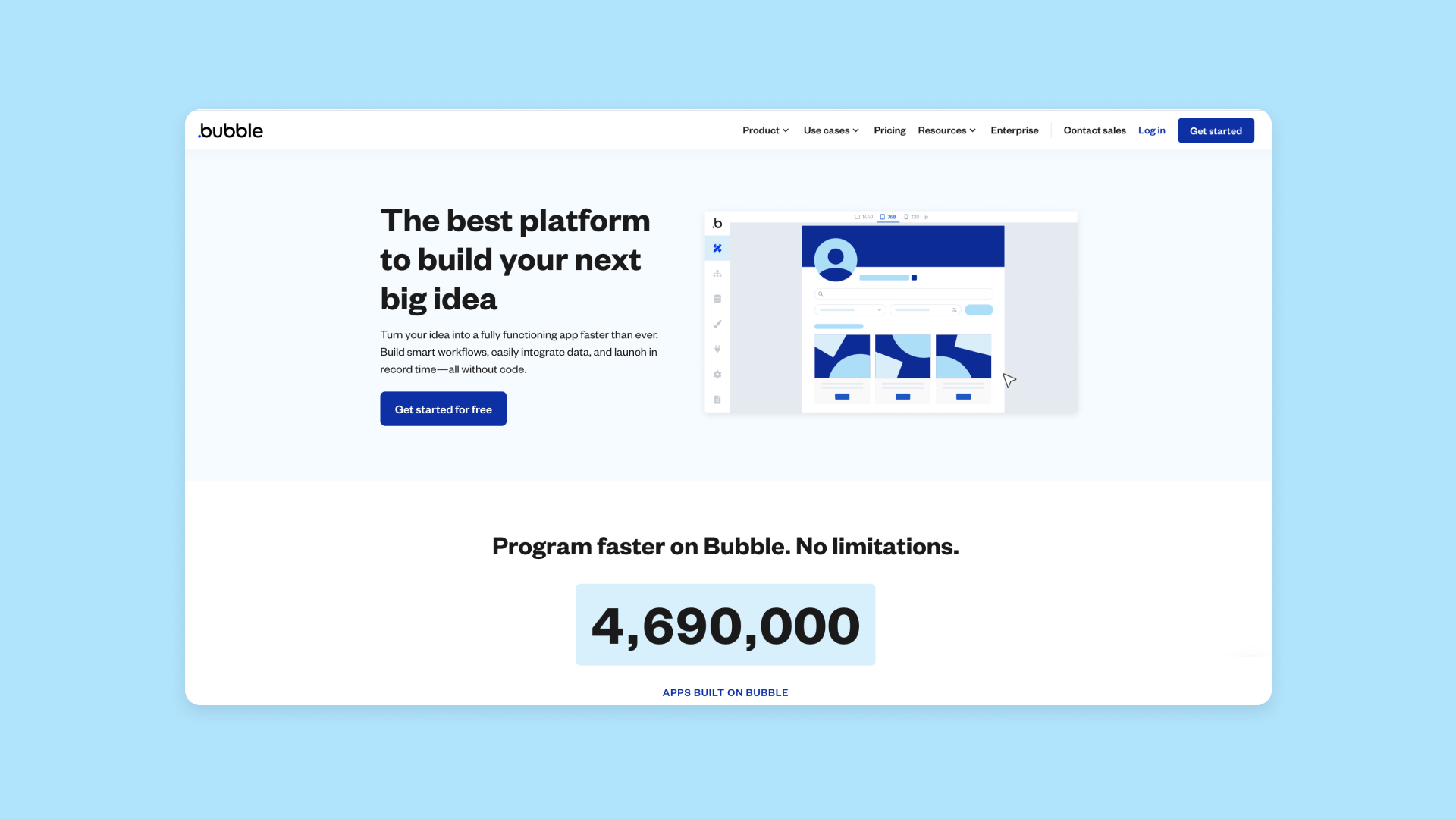
But what about brands with a digital product or service? Branding is just as important, but it often shows up more subtly. Bubble is a brand that’s also a disruptor — but the goal of disrupting with Bubble is to solve the fundamental problem with software development: the code itself. We let builders create real apps without writing code — combining AI speed with visual control so anyone can launch production-ready applications, not just prototypes.
So how does that show up in our branding?
- Color palette: While most programming and technology software is branded with very neutral colors (typically black and gray), Bubble uses a clean, minimal design with plenty of white space and muted colors. This reinforces how Bubble lets you see exactly how your app works — in visual workflows instead of thousands of lines of code — proving that understanding what you build is a feature, not a limitation.
- Illustrations and imagery: Bubble uses illustrations instead of imagery in most of our branding, which highlights both the AI generation and visual editor that power Bubble's platform. The simple, visually clean imagery subtly reinforces how you can chat with AI when you want speed, then edit directly when you want control — all visual, never code.
- Digital experiences: Bubble's digital experience includes many community elements, such as our Forums, Academy, and Community spaces. But we also provide the Bubble AI Agent — your partner throughout development who teaches you Bubble while it builds for you, so you don't have to dig through documentation. These digital spaces and AI-powered assistance highlight our community-focused brand that prioritizes learning and serving our audience.
Build your brand and your product with Bubble
When you’re building a product and brand from scratch, picking the right platform to build on can make your branding straightforward or a slog.
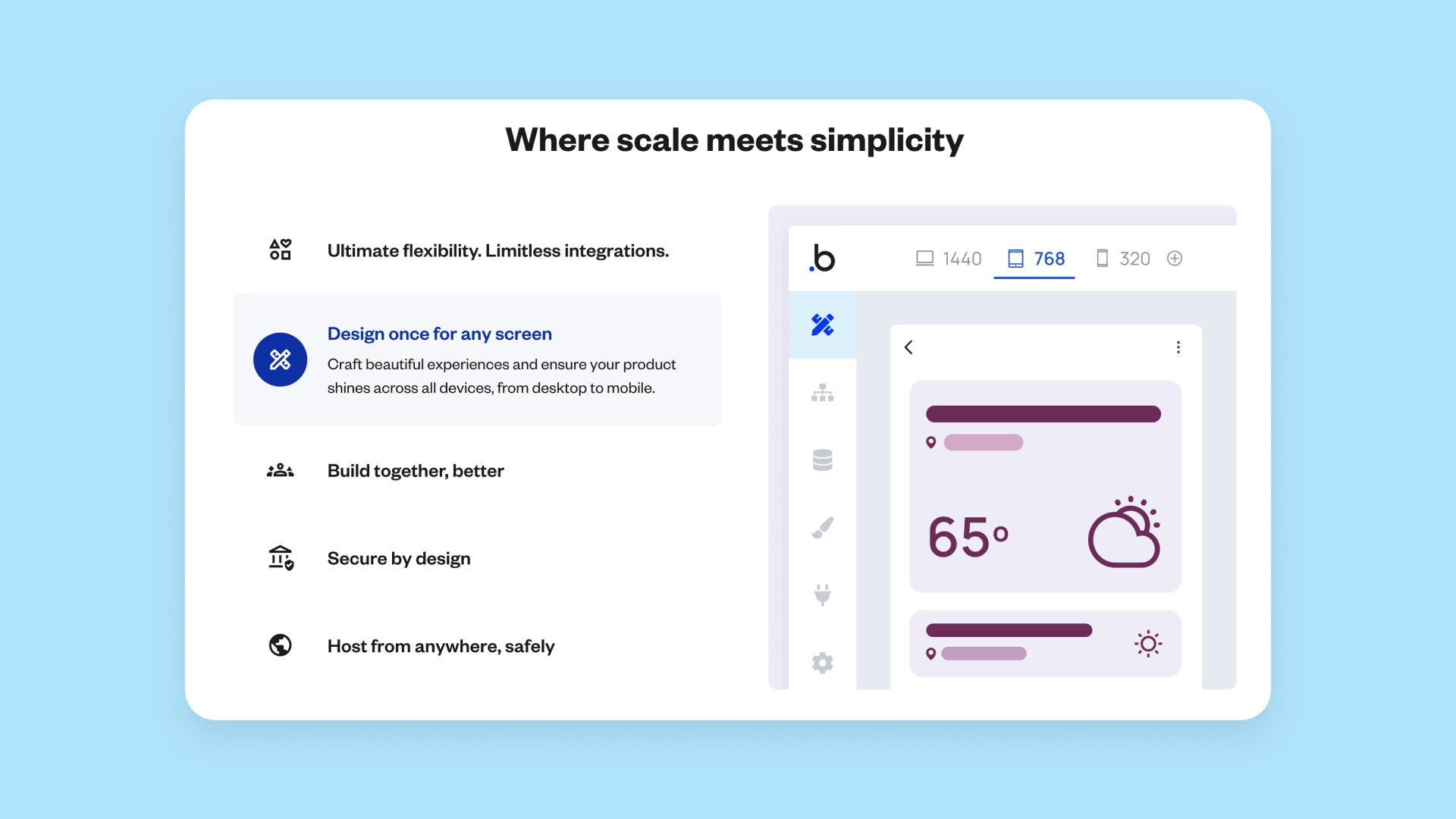
On Bubble, you can vibe code without the code using AI generation combined with visual editing. Generate web and native mobile apps instantly with AI, then chat with the AI Agent when you want speed or edit directly in the visual editor when you want control.
Bubble's AI generates apps using your style variables and design system, then gives you full visual control to customize everything from color palettes to typefaces to illustrations, digital experiences, and more — all without writing code.
Plus, on Bubble, AI-generated apps automatically include style variables and responsive design, so your visual elements align consistently across web and native mobile apps — no manual configuration needed.
Even better: Bubble delivers the same AI-powered speed as tools like Bolt and Lovable — but instead of generating code you can't read, everything is visual and immediately editable. Generate web and native mobile apps in minutes with AI, then iterate with the AI Agent or edit directly to perfect your branding. You get AI speed AND control over every detail.
Frequently asked questions about brand elements
What are the 4 pillars of branding?
The four pillars are differentiation (how you stand out), relevance (meeting customer needs), esteem (brand respect), and knowledge (brand familiarity).
Which brand elements should startups prioritize first?
Start with your brand name, logo, color palette, and brand voice—these foundational elements build recognition and create cohesive first impressions.
How do you know if your brand elements are working effectively?
Look for brand recognition without your name, positive messaging feedback, and easy consistency across materials.
What's the difference between brand elements and brand identity?
Brand elements are individual components (logo, colors, voice) while brand identity is how they work together to create your complete brand experience.
Build for as long as you want on the Free plan. Only upgrade when you're ready to launch.
Join Bubble